
Last month I watched a group of teenagers in a London pub argue over the same three‑minute battle royale. One of them, a 17‑year‑old, bragged that his phone had just hit level 45 in a battle that usually takes 12 hours on a console. That moment made me think: the way we play has shifted from big, expensive consoles to tiny, pocket‑sized devices. The shift isn’t just about hardware; it’s about the whole entertainment ecosystem in the UK.
Instant Access and the Rise of “Micro‑Entertainment”
Mobile games now load in under 30 seconds, thanks to faster 5G networks and lighter game engines. A player can jump from a news article to a quick match, then back to the article in a minute. That immediacy has turned gaming into a “micro‑entertainment” that fits into the gaps between work, commuting, and social media scrolling. In 2023, the average UK gamer spent 2.3 hours per day on mobile titles, up from 1.6 hours in 2019. The result? More people are looking for short, engaging experiences rather than long, immersive ones.
Revenue Models That Fit a Modern Lifestyle
Where once a console game cost £60, many mobile titles are free to download and earn through in‑app purchases or ad revenue. In 2024, the UK mobile gaming market generated £1.8 billion in revenue, with 70 % coming from microtransactions. This shift has opened doors for indie developers: a single successful in‑app purchase can fund an entire team for a year. However, the same model can pressure younger players, who may spend hundreds of pounds on cosmetic items without realizing it.
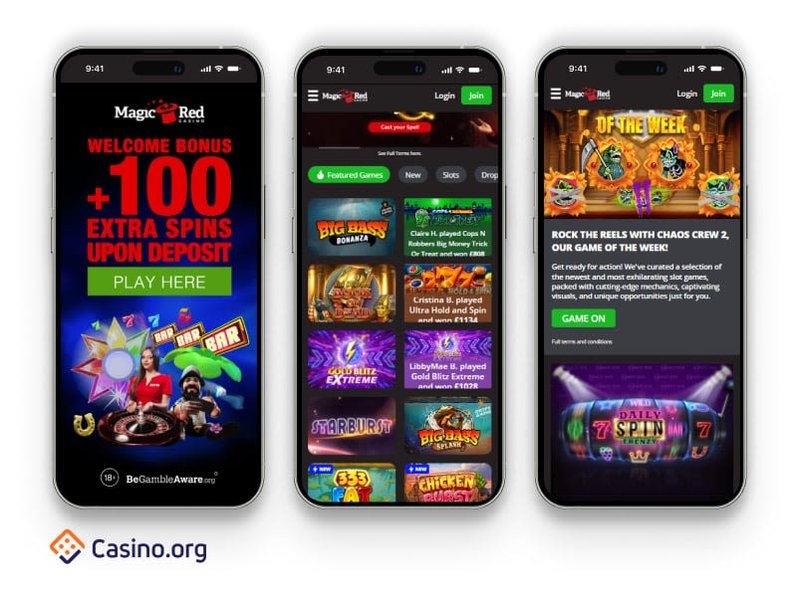
The Social Layer: Gaming as a Community Experience
Social features are now built into the core of most mobile games. In 2022, 65 % of UK players said they joined a game because it allowed them to chat or play with friends. Cross‑platform play means that a friend on a PC can team up with you on a phone, blurring the lines between “mobile” and “traditional” gaming. Yet, this connectivity can also blur privacy lines; players often share personal data to sync progress across devices.
Impact on Other Entertainment Sectors
Movie studios are releasing mobile spin‑offs of their blockbusters, and music artists are creating rhythm games that double as promotional tools. A 2023 study found that 48 % of UK viewers who discovered a new band through a mobile game went on to buy the band’s album. This cross‑promotion shows that mobile gaming is no longer an isolated niche; it’s a conduit for broader cultural consumption.
For those curious about how this trend intersects with online gaming and broader entertainment options, check out http://patrickspinser.com.
Challenges and the Road Ahead
While the growth is undeniable, mobile gaming faces hurdles. Battery life remains a concern; heavy‑graphics games can drain a phone in under an hour. Regulatory bodies are also tightening rules around loot boxes, which could limit revenue streams for some developers. Moreover, the line between casual and addictive play is thin; parents and educators are calling for clearer age‑verification systems.
Conclusion: A New Era of Portable Fun
Mobile gaming has moved beyond being a pastime for bored commuters. It’s a dynamic, revenue‑generating force that reshapes how the UK consumes entertainment. From instant access to cross‑platform social play, the industry is redefining leisure. As developers innovate and regulators adapt, the next wave of mobile experiences will likely be even more integrated, immersive, and, importantly, accessible.
Frequently Asked Questions
Why has mobile gaming become so popular in the UK?
Mobile devices offer instant access, low cost and micro‑entertainment, making gaming more convenient and socially engaging.
What is meant by micro‑entertainment?
Micro‑entertainment refers to short, bite‑size gaming experiences that can be completed in minutes, ideal for on‑the‑go play.
How does mobile gaming affect traditional console use?
It shifts player time from long console sessions to shorter mobile sessions, changing the entertainment ecosystem and spending habits.